The Future of Education in Nigeria: Why Digital Classrooms Are No Longer Optional
Nigeria’s education sector has reached a turning point. With more than 40 million learners across primary, secondary, and tertiary institutions, the demand for quality instruction, modern teaching tools, and future-ready skills has never been higher. Yet many classrooms across the country still operate with the chalkboard model built for a completely different century.
To deliver the kind of learning today’s world demands, digital classrooms are no longer a luxury they are now a critical national requirement.
The global workplace has changed. Technology is now integrated into agriculture, banking, logistics, medicine, governance, and even petty trading. If Nigerian students must participate fully in the global digital economy, their learning environments must evolve accordingly.
Why Digital Classrooms Matter More Than Ever
Digital learning tools interactive screens, smart boards, online platforms, virtual labs, and e-content have proven to improve comprehension, boost engagement, strengthen critical thinking, and build creativity. Countries such as Singapore, China, and the UAE adopted these tools long ago, and the results show in their academic performance and global competitiveness.
In Nigeria, the need is even more urgent. Over 47 million children are currently enrolled in basic education, but millions remain out of school. Learning outcomes for those in school are also low, with troubling literacy and numeracy performance. The stakes are simply too high for the country to keep relying on outdated classroom models.
Meanwhile, outside the school walls, Nigeria is already digital. Over 160 million Nigerians have internet subscriptions. Young people bank, shop, learn, create, and entertain themselves on smartphones. The only environment still struggling to catch up is the school. This gap must close and fast.
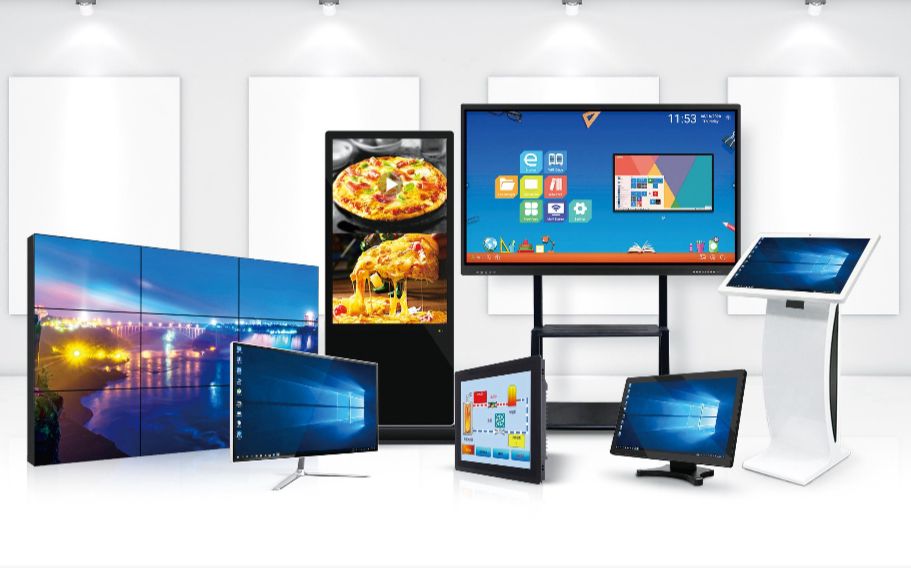
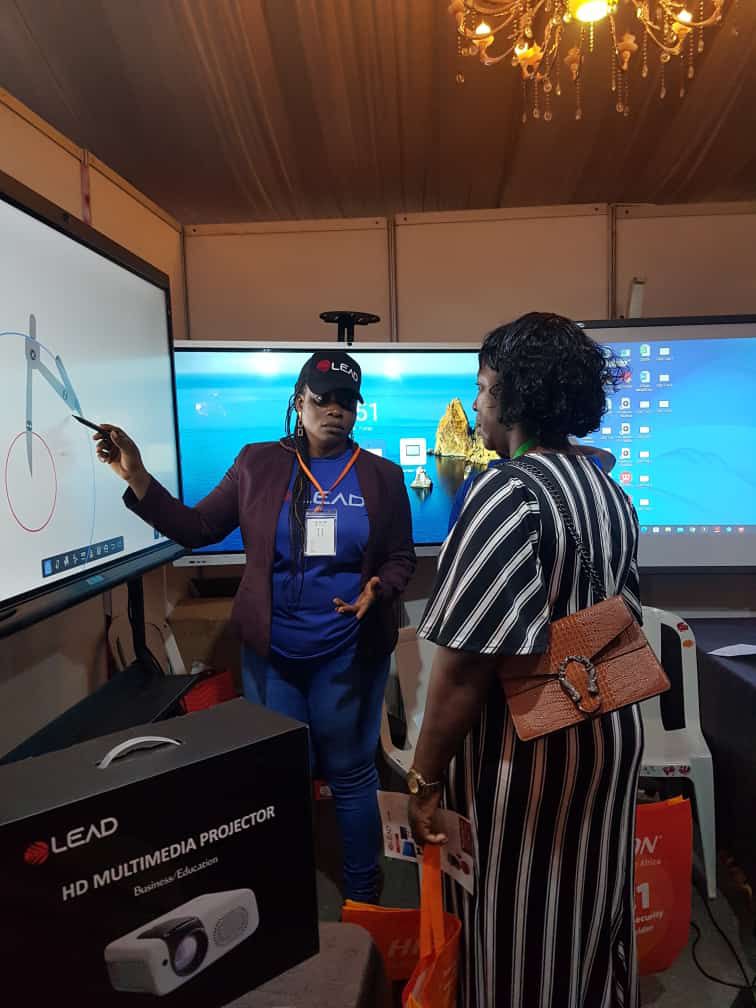
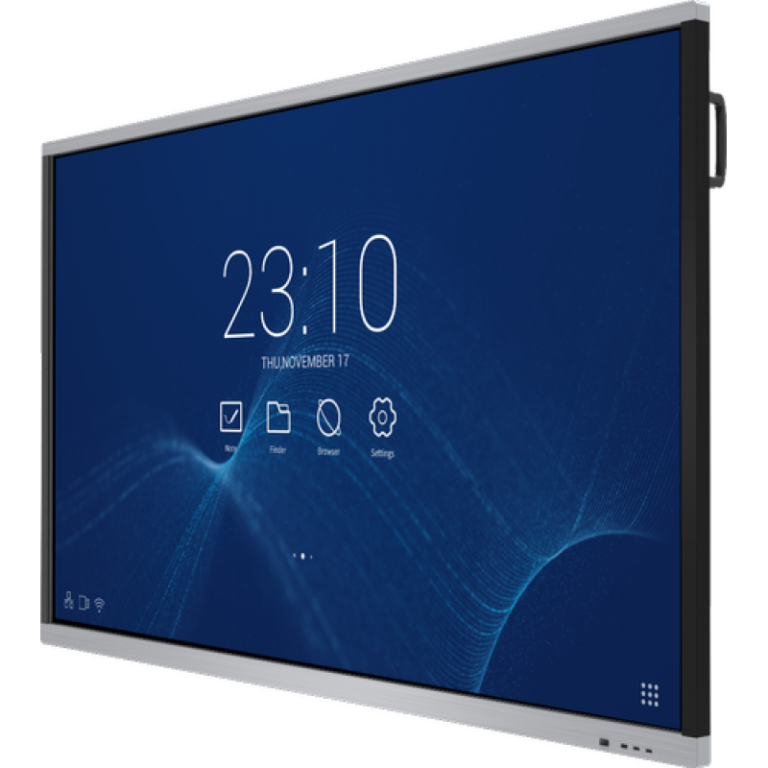
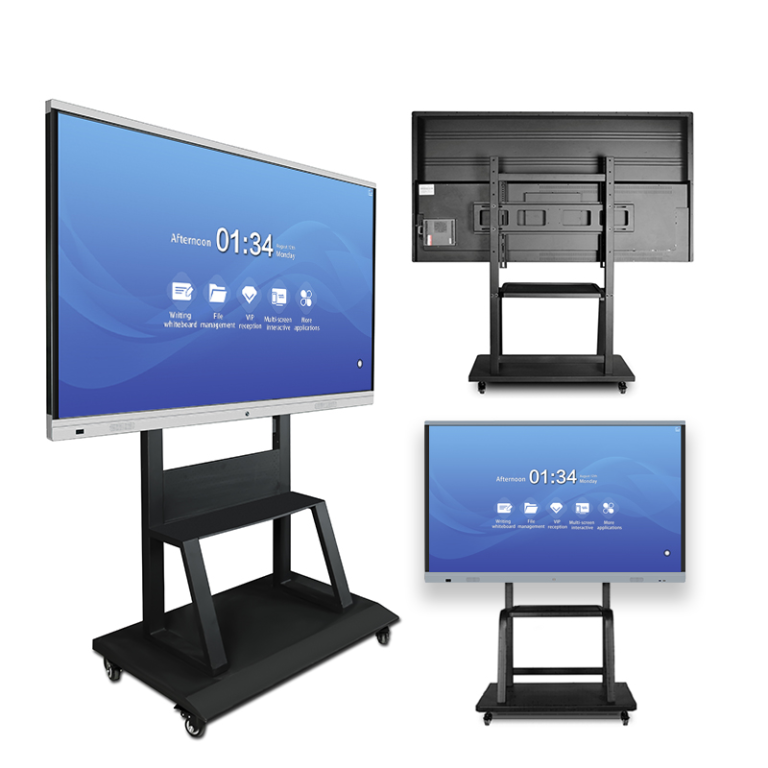
In the race toward digital learning, one of the most exciting developments is the emergence of indigenous EdTech manufacturers who understand the unique realities of Nigerian schools. Leading this movement is Lead Technology Innovation Ltd, manufacturer of the LEAD Smart Board a next-generation interactive flat panel designed specifically for Nigerian classrooms.
While many schools have relied on imported digital boards, the LEAD Smart Board stands out as a homegrown innovation that combines global standards with local insight. Built to withstand Nigeria’s power conditions, infrastructural challenges, and classroom dynamics, the LEAD Smart Board offers a reliable, scalable, and cost-effective solution for schools across the country.
What Makes LEAD Smart Board a Game-Changer?
- Interactive Touch Display (40-point touch)
Students and teachers can write, draw, annotate, and collaborate instantly on an ultra-responsive UHD screen. - Dual Operating Systems
The panel runs both Android 14 and Windows (via OPS), giving teachers flexibility and compatibility with global learning tools. - Preloaded Educational Apps
Designed to support Nigerian curriculum requirements while giving room for e-learning, STEM tools, and multimedia lessons. - Durable Build for Nigerian Conditions
The board is engineered to handle irregular power supply and heavy classroom use. - AI Camera & Beamforming Microphones
Supports hybrid learning, enabling teachers to teach in-class and remotely in real time transforming learning continuity. - Local Support & Nationwide Service
As an indigenous brand, Lead Technology Innovation Ltd provides dedicated after-sales support, installation, maintenance, and training something many imported brands cannot match.
In fact, the LEAD Smart Board is not just a device, it is an entire digital ecosystem built for Nigerian schools and businesses.
Why Indigenous Solutions Are the Key to Sustainable Transformation
Many digital education initiatives in Nigeria fail not because the technology is bad, but because the solutions were not designed for our environment. Imported panels break down quickly, lack local support, or do not integrate well with the Nigerian curriculum.
Indigenous solutions like the LEAD Smart Board solve these challenges by:
- Delivering affordable pricing for bulk public-school deployments
- Providing local maintenance and rapid repairs
- Ensuring curriculum alignment with WAEC, NECO, BECE, and state syllabi
- Offering teacher training programmes to build confidence and capacity
- Supporting offline learning options for low-connectivity communities
For Nigeria to fully digitalise education, we must empower Nigerian manufacturers building Nigerian solutions for Nigerian realities.
Why Digital Classrooms Must Become the National Standard
1. Today’s Job Market Is Digital
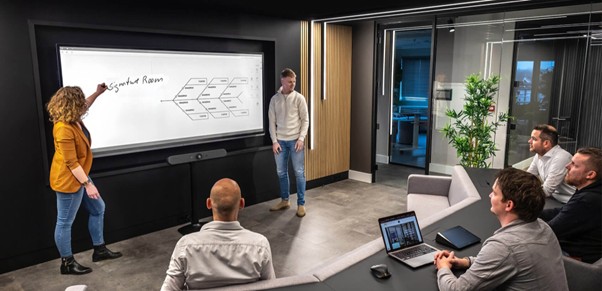
Every industry formal and informal relies on digital tools. Students who learn with technology from early years adapt faster and perform better in 21st-century workplaces.
2. Technology Helps Teachers Deliver Better Instruction
Digital boards, e-textbooks, animations, and simulations reduce teaching time, enrich lessons, and create more inclusive classrooms.
3. Digital Tools Improve Learning Outcomes
With adaptive software, instant feedback, and multimedia explanations, children understand concepts faster and retain knowledge longer.
4. Digital Classrooms Can Level the Playing Field
A child in a rural school can now access the same quality of content as one in the most expensive private school if digital tools like LEAD Smart Board are provided equitably.
5. Nigeria Cannot Scale Quality with Manual Methods Alone
With over 47 million pupils, only digital systems can guarantee:
- Standardized instruction
- Continuous teacher upskilling
- Real-time data tracking
- Content distribution at scale
What a Nigerian Digital Classroom Should Look Like
A properly equipped digital classroom includes:
- LEAD Smart Board or other interactive panels
- Curriculum-aligned digital content
- Tablets or device labs for students
- Reliable power (solar hybrids, UPS, stabilizers)
- Internet connectivity or offline content servers
- A learning management system for assignments and revision
And at the heart of it all, a trained teacher using technology as a teaching partner not a replacement.
Ultimately, the move toward digital classrooms is not about gadgets it is about equity, competitiveness, and national development.
It is about ensuring that:
- A child in Zamfara or Gombe receives the same high-quality instruction as a child in Lekki or Maitama
- Nigerian graduates are globally competitive
- Our youth population becomes a demographic advantage not a crisis waiting to happen
Digital transformation is no longer optional. It is a national imperative.
And indigenous innovators like Lead Technology Innovation Ltd, through the LEAD Smart Board, are proving that Nigeria does not need to look abroad for the tools to build the future of learning.
The future of Nigerian education is digital.
The technology to make it happen is already here.
The next step is the courage to scale it.
By Dr. Ozoemelam O. Charles
C.E.O
LEAD TECHNOLOGY INNOVATION LTD