Bridging the Gap Between Traditional and Digital Teaching in Nigeria
Bridging the Gap Between Traditional and Digital Teaching in Nigeria
Nigeria is standing at a major crossroads in the evolution of its education sector. The traditional model of teaching that dominated the last century characterized by chalkboards, crowded classrooms, which reminds me of my days in FPN Owerri where we used to have over 1000 students in a single class especially if its a combine class, coupled with teacher-centered instruction, students climbing the windows just to see the lecture, and limited student interaction has been stretched to its limits. At the same time, the digital revolution sweeping across global education is no longer a distant possibility; it is a present reality.
The gap between these two worlds traditional and digital teaching has become one of the most critical issues determining the nation’s educational competitiveness and its readiness for the 21st-century economy.
At the center of this transformation is Lead Smart Board, an innovative digital learning solution by Lead Technology Innovation Ltd., a proudly Nigerian EdTech company committed to modernizing classrooms across the country. As Nigeria searches for scalable, affordable, indigenous pathways to digital learning, Lead Smart Board stands out as a symbol of local innovation, solving local problems with world-class technology.
This article explores the gap between traditional and digital teaching in Nigeria, the systemic challenges widening that gap, and how Lead Smart Board is strategically positioned to bridge it and empower both learners and educators on a national scale.
Understanding the Gap: Traditional vs. Digital Teaching
Traditional Teaching: Strengths and Limitations
Traditional teaching in Nigeria is deeply rooted in decades of practice. It relies heavily on:
- Chalkboards and whiteboards
- Teacher-centered lessons
- Memorization-based learning
- Limited visual aids
- Passive student participation
- Physical textbooks and notebooks
While traditional teaching has played a vital role in building foundational literacy and numeracy, it suffers from structural limitations that become more pronounced as the world becomes increasingly digital:
- Limited ability to visualize complex concepts
- Reduced engagement for modern students accustomed to screens
- Minimal interactivity
- Slow feedback loops
- Ineffective for students with diverse learning styles
- Difficulty in accessing updated content and resources
Nigeria’s demographics further complicate these limitations. With classrooms of 60–120 students being common in many public schools, traditional methods always struggle to support individualized learning or modern pedagogical approaches.
Digital Teaching: Benefits and Requirements
Digital teaching introduces:
- Smart boards
- Interactive content
- Real-time collaboration tools
- Multimedia learning
- Digital textbooks
- Cloud-based resources
- Online assessments
- Remote learning capabilities
Globally, digital teaching has improved:
- Student engagement
- Learning retention
- Teacher productivity
- Creativity and critical thinking
- STEM education outcomes
- Classroom management
However, digital teaching requires:
- Reliable hardware
- Stable software
- Teacher training
- Electricity and basic internet
- Maintenance and support
- Content localization
This is the gap traditional teaching is familiar but inadequate; digital teaching is powerful but requires strategic implementation.
However, several challenges influence the slow adoption of digital teaching in Nigeria:
1. Infrastructure Gaps
While urban schools are increasingly digital-friendly, most schools in Nigeria still lack:
- Reliable electricity
- Projectors or interactive boards
- High-quality internet
- IT support personnel
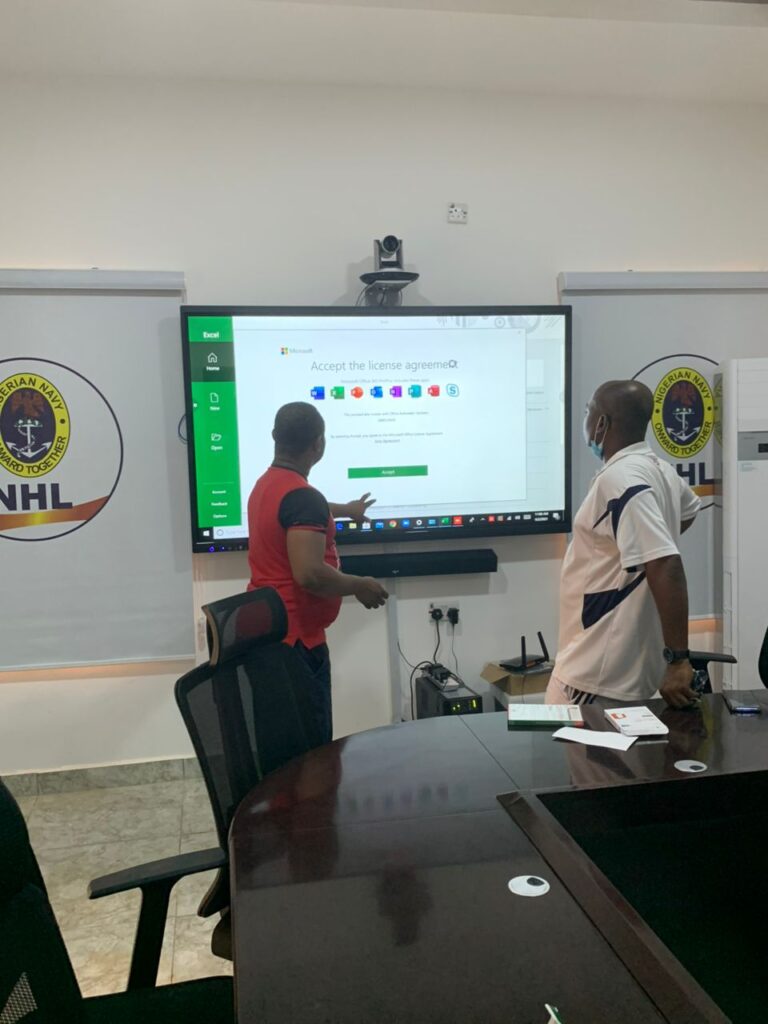
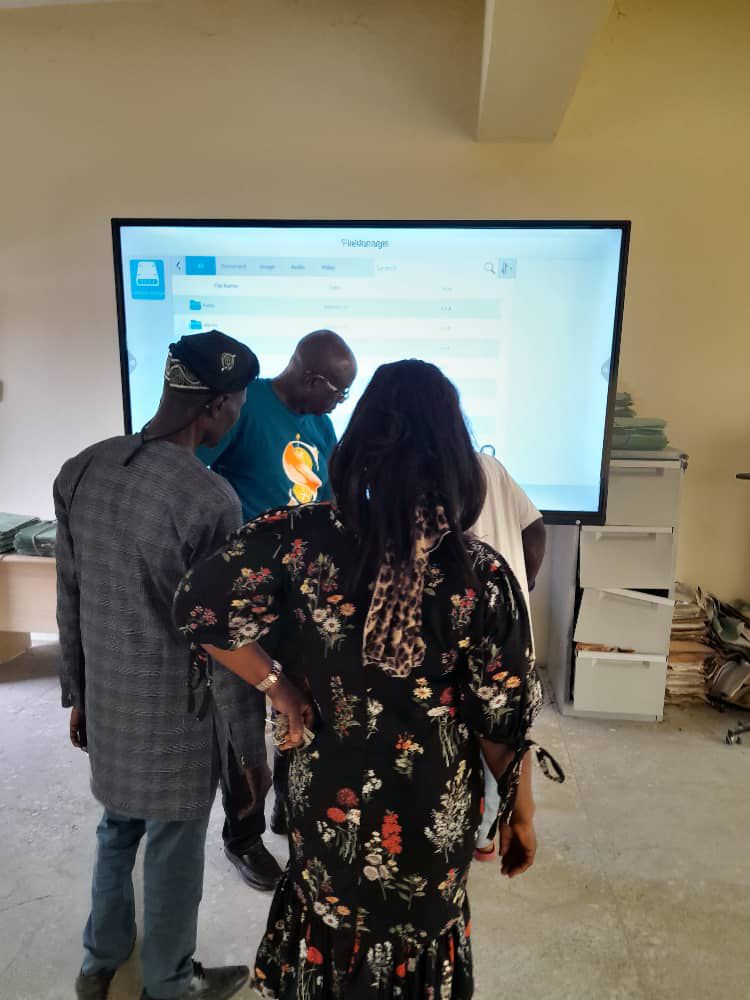
This creates a digital divide between rural and urban communities, private and public schools, and rich and poor learners. However, for the past 2 years there have been serious upgrades in most of the government schools in six geopolitical zone where LEAD smart was purchased in good numbers to modernize and digitize new smart schools built by federal government, but the gap remains too wide.
2. High Cost of Foreign EdTech Solutions
Most interactive boards used in Nigeria are imported from Europe or Asia, costing between ₦11.5 million for 86’’ flat panel screen and ₦29 million for 98’’prohibitive for many schools. These foreign devices are:
- Expensive to purchase
- Costly to maintain
- Difficult to repair locally
- Not tailored to Nigerian curriculum
3. Teacher Preparedness
Many Nigerian teachers have limited exposure to:
- Smart board usage
- Digital pedagogies
- Online resources
- Blended learning
- EdTech tools for assessment
Without proper training, even the best digital tools fail to deliver meaningful learning outcomes.
4. Curriculum Misalignment
Digital teaching must align with:
- WAEC
- NECO
- BECE
- JAMB
- National STEM frameworks
Foreign EdTech brands rarely integrate this context properly.
5. Sustainability Challenges
Digital solutions must be:
- Durable
- Supported locally
- Designed for Nigerian climate and power conditions
- Affordable to maintain
Imported brands often fall short in these areas, leaving schools stuck with unused equipment.
The Lead Smart Board: Nigeria’s Indigenous Bridge Between Traditional and Digital Teaching
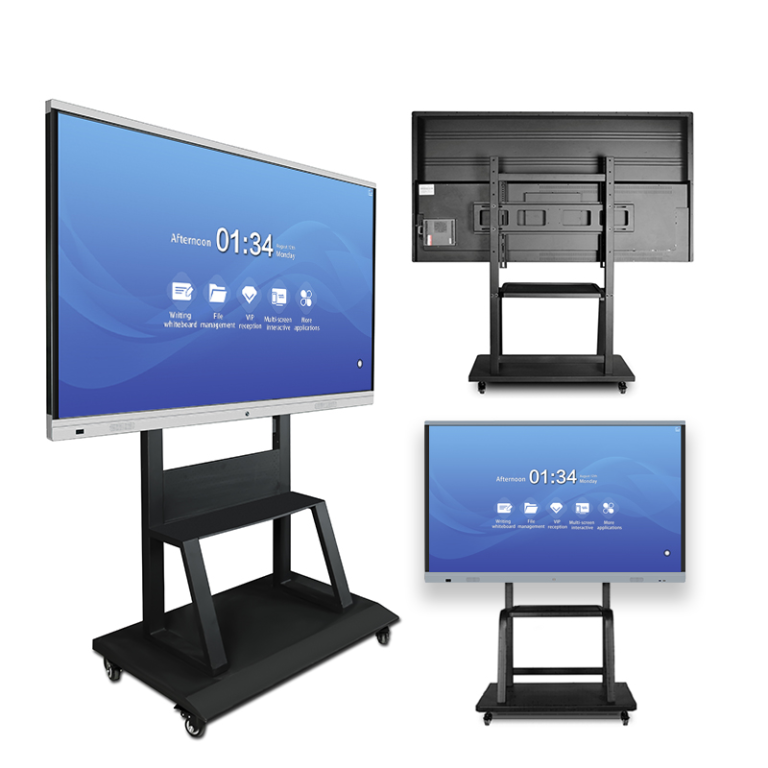
Lead Smart Board by Lead Technology Innovation Ltd. emerges as a transformational solution strategically designed for the Nigerian environment. As a locally engineered, globally competitive interactive panel, it directly addresses the gaps discussed above.
Below is how Lead Smart Board bridges the traditional–digital gap with precision:
Local Innovation for Local Education Needs
Unlike foreign brands, Lead Smart Board is:
- Developed by Nigerian EdTech professionals
- Designed for Nigerian teaching styles
- Optimized for the national curriculum
- Supported by local technicians
- Priced to fit Nigerian school budgets
This ensures relevance, sustainability, and nationwide scalability.
Transforming Passive Lessons into Interactive Learning
Lead Smart Board empowers teachers to move beyond chalk-and-talk methods using:
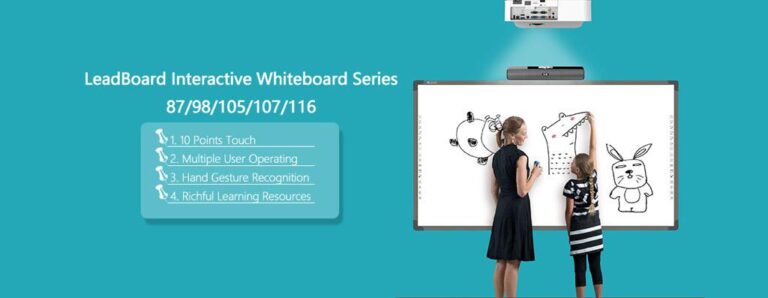
- Touch-based interaction
- HD visuals
- Annotation tools
- Interactive quizzes
- Drag-and-drop learning
- Integrated STEM simulations
- Real-time feedback
- Multimedia (videos, animations, diagrams)
This shift transforms students from passive recipients to active participants, improving:
- Critical thinking
- Collaboration
- Retention
- Creativity
- Problem-solving skills
For a generation raised on smartphones and tablets, Lead Smart Board speaks their digital language.
Teacher-Friendly and Easy to Use
One of the biggest barriers to digital adoption is teacher anxiety. Lead Smart Board solves this through:
- Simple user interface
- Built-in tutorials
- Intuitive annotation tools
- Plug-and-teach operation
- Compatibility with PowerPoint, PDF, Word, WAEC/NECO syllabuses
With minimal training, even teachers with basic digital skills can confidently use the board within minutes.
Built for Nigerian Classrooms
The Nigerian classroom environment is unique heat, humidity, inconsistent electricity, and heavy daily use. Lead Smart Board is specifically engineered to withstand these conditions:
- 4K anti-glare display
- Tempered anti-scratch glass
- Energy-efficient design
- Long-lasting Android OS
- Durable multi-touch sensors
Unlike foreign imports, Lead Smart Board is serviceable locally, ensuring long-term reliability.
Cost-Effective and Scalable
Affordability is one of the biggest competitive advantages of Lead Smart Board. Schools can now transition to digital learning at:
- Lower acquisition cost
- Lower maintenance cost
- Zero import delays
- Zero foreign servicing fees
This makes digital transformation possible for:
- Government-owned schools
- Private schools
- Universities
- Vocational centers
- Training institutes
- Corporate training facilities
No longer is digital learning a luxury reserved for elite institutions.
Remote and Hybrid Learning Capabilities
Lead Smart Board is built for a post-COVID world:
- Remote classroom broadcasting
- Virtual collaboration
- Cloud storage
- Integration with Zoom, Teams, Google Classroom
- Digital whiteboarding
- Screen mirroring for students’ devices
Nigeria’s learning continuity is guaranteed even during:
- School closures
- Strikes
- Emergencies
- Distance learning programs
This hybrid capability solves one of Nigeria’s biggest educational vulnerabilities.
The Impact of Lead Smart Board on Nigeria’s Learning Outcomes
1. Improved Student Engagement
Interactive lessons capture student attention, reduce boredom, and make even difficult subjects like Physics, Mathematics, and Chemistry more understandable and fun to learn.
2. Better Teacher Confidence
Teachers who previously feared technology now lead tech-enabled lessons with pride and professionalism.
3. Reduction in Operational Costs
Schools save money previously spent on:
- Printed materials
- Projectors
- Markers and chalk
- Cables and accessories
- Outdated teaching tools
Government Adoption
Federal and state governments must integrate digital teaching into:
- UBEC programs
- Public school revitalization
- Teacher training colleges
- STEM innovation hubs
Teacher Training Nationwide
A national digital teaching competence program should be launched to ensure every teacher is smart board-certified which LEAD TECHNOLOGY INNOVATION LTD is at the forefront haven’t trained over 5000 private school teachers nationwide.
The gap between traditional and digital teaching in Nigeria is not merely a technological issue it is an economic, developmental, and national competitiveness issue. A generation educated with chalkboards cannot compete with a world built on artificial intelligence, advanced computing, and interactive learning.
Lead Smart Board has emerged as one of Nigeria’s most powerful tools for closing this gap a homegrown innovation that integrates the strengths of traditional teaching with the limitless opportunities of digital learning.
It democratizes access to technology. It empowers teachers. It excites students. It modernizes classrooms. It positions Nigeria for a digital future.
If Nigeria is serious about educational transformation, the national conversation can no longer be about if digital teaching is necessary, it must be about how fast and how widely solutions like Lead Smart Board can be deployed.
With Lead Smart Board leading the charge, the dream of a fully digital, globally competitive Nigerian education system is not just possible it is within reach.
By Dr. Ozoemelam O. Charles